Buyer guide
Two offers, same roof,
years apart on the deal.
If you are comparing solar power purchase agreements, the hard part is not finding providers. It is knowing what you are comparing. Five questions separate one offer from another, and the price is not one of them.

Take the guide into the meeting
The five questions, the four kinds of provider you will meet, and a ten row table ready to fill in beside two real offers. We will email it over now.
We use your address to send the guide and to reply if you ask us something. We never sell it or pass it on. Everything in the PDF is on the full guide too, at no cost and with nothing to fill in.
What to ask
Five questions, asked of everyone.
Ask all five, of every provider, and get the answers in writing. Anything nobody will put in writing is itself an answer.
How long does it run, and what happens then
Terms commonly run from seven to twenty years. The number matters less than the end of it. Does the system come off the roof, become yours, or do you sign again.
Who owns it, and who looks after it
Two questions, not one. Whoever owns it claims the incentives. Whoever maintains it is who you ring in year six, when it stops making what it should.
Does anyone promise how much power it will make
Most offers carry an estimate. Fewer carry a guarantee, and they differ in what sets it off. Ask what happens if it falls short for a year, and who does the measuring.
Does the price go up each year
A price that looks good in year one can be the expensive one by year ten. Ask for the price in every year of the agreement, as a table, not as a headline.
What happens if you sell the site
The one most buyers ask last, and the one that holds deals up. Who has to consent, how long they have to do it, and who pays the costs of transferring it.
Where we fit
Zool Energy, stated plainly.
The guide describes four kinds of provider. We are one of them, so you can weigh us against the description rather than against our own marketing.
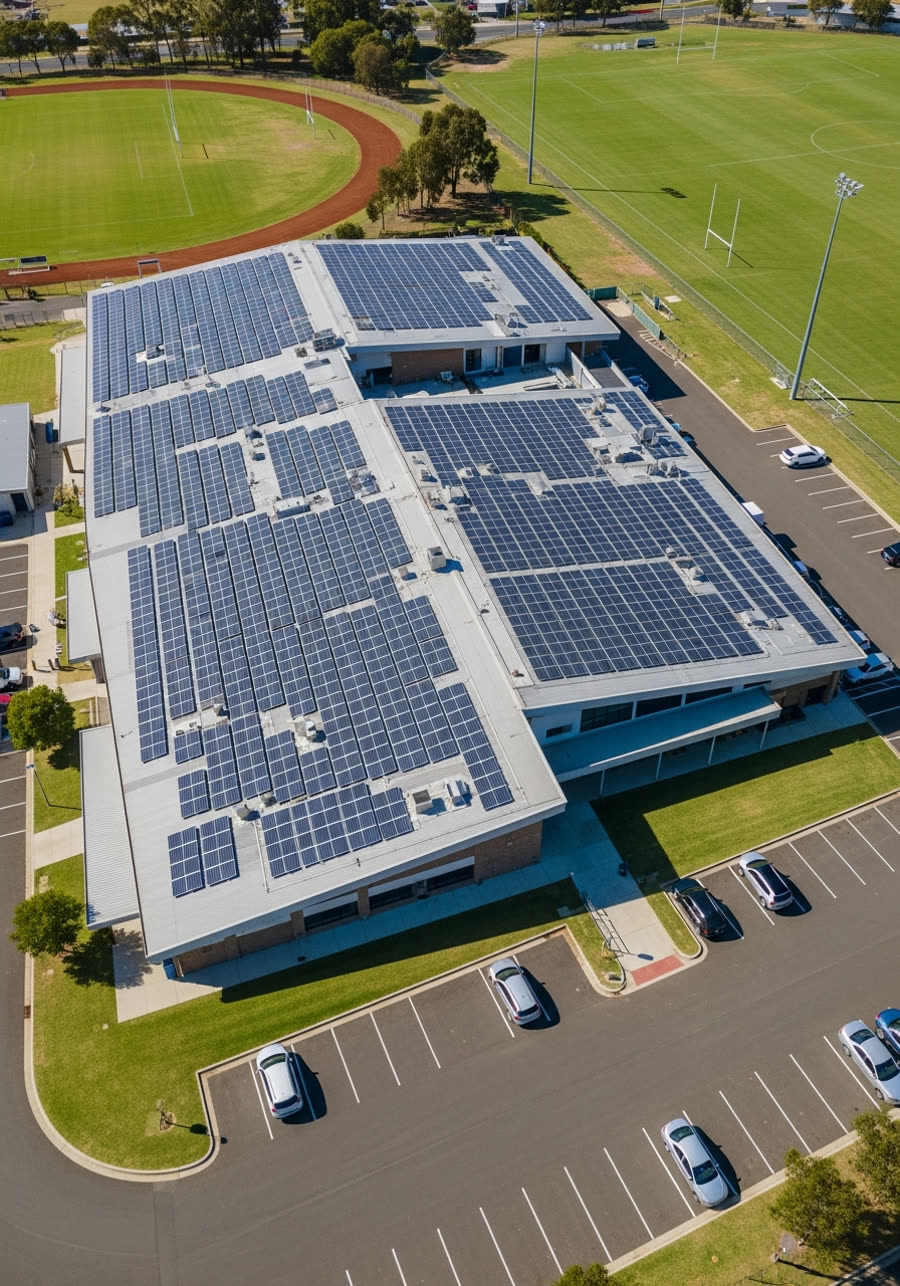
- We are a funded build and operate specialist. Under Total Care we fund the system, design and build it, then operate and maintain it for the life of the agreement.
- One party stays accountable after handover. Which is the whole point of question two, and the reason we answer it the way we do.
- More than 500 projects across Australia, from 30 kW up to systems of 2 MW and above, with a 98 per cent uptime record.
- We are not the right fit for every site, and we would rather say so early. A short remaining lease, or a load that gives a system nothing useful to do, is better heard at the assessment than two years into an agreement.
The whole thing, at no cost
The long version has the comparison against a lease and a capital purchase, which structure suits owner occupied, leased and multi site, the full ten row table and the clause people wish they had read.
Before you decide
What buyers ask us first.
Do we have to buy anything?
No. Under a power purchase agreement someone else pays for the system and owns it, and you buy the power it makes at an agreed price for a set number of years. There is no capital outlay, and fees apply under the agreement.
Is it cheaper than buying it ourselves?
Usually not, across the whole term, and that is not what it is for. It takes away the capital cost and the risk of the thing underperforming. The real question is what else that capital would earn in your business.
What if we sell the building?
The agreement normally goes with the site, and the new owner has to agree to take it on. Sorted early it is half a page in the contract of sale. Left to the week before settlement it is the thing holding up the deal.
Can we add a battery later?
Sometimes, and it is far easier when the original agreement allows for it. If storage is likely inside the term, raise it before you sign rather than after.
Your bill already has most of the answers
Send us one recent electricity bill and we will tell you what solar could do on your site, which structure suits it, the system we would recommend, your estimated savings over 10 and 15 years and your CO2 reduction. It is at no cost and no obligation, and we will tell you if solar or batteries are not the right fit.
Figures describing Zool Energy's track record are published on zoolenergy.com.au and are current as at October 2026. Total Care is subject to credit assessment and contract terms. This page is general information about how commercial power purchase agreements are structured. It is not financial, legal or accounting advice, and every agreement differs, so read yours and take advice on it before you act. Savings figures are worked out from your own bill and are indicative only.